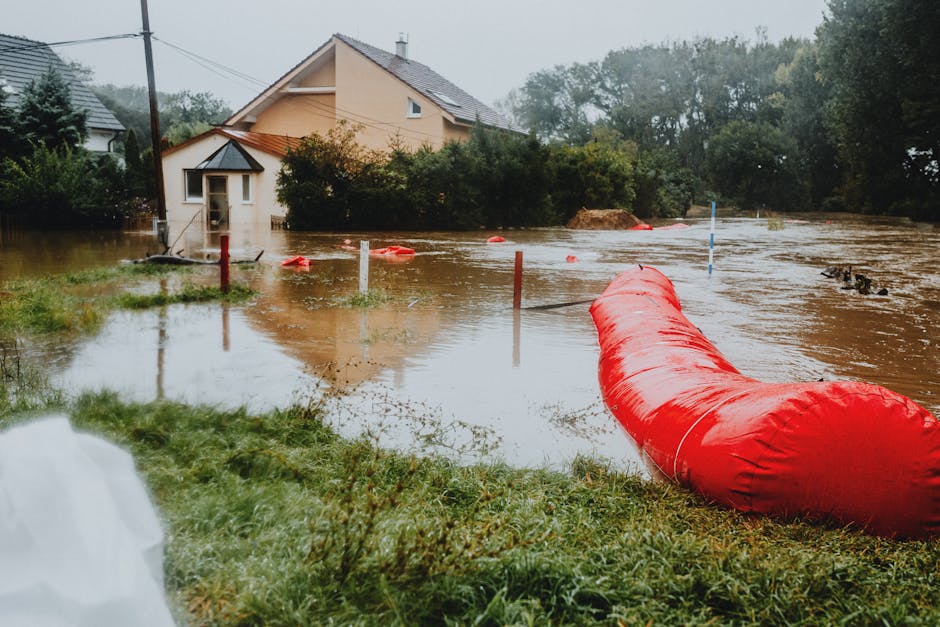
Emergency flood cleaning in Woking station area same day response
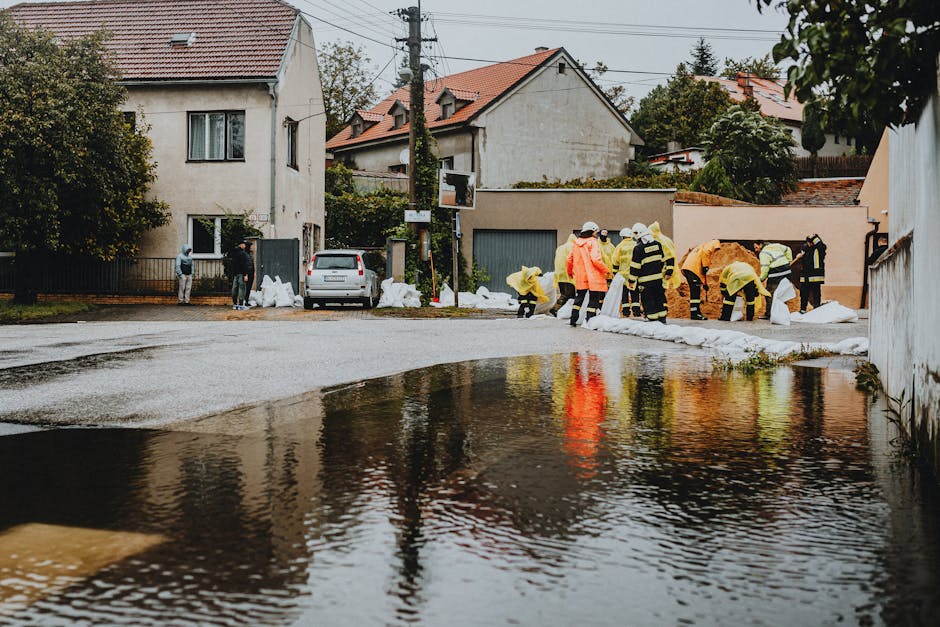
If water has spread through your home, flat, office, or shop near Woking station, time suddenly becomes the whole story. Carpets start to wick moisture upward, skirting boards swell, and that damp smell appears faster than most people expect. Emergency flood cleaning in Woking station area same day response is about getting help in quickly, reducing damage, and making the space safe enough to move forward without guessing. It is not just a mop-and-bucket job. In practice, it often means fast water removal, careful drying, sanitation where needed, and a calm plan for what comes next.
Below, you'll find a clear guide to what same-day flood cleaning involves, when it makes sense, what risks to watch for, and how to judge the right next step. If you are deciding between DIY cleanup and calling in help, this article should make the decision a lot easier. Let's face it, a flood is stressful enough without trying to improvise under pressure.
Why Emergency flood cleaning in Woking station area same day response Matters
Floodwater does not stay polite. It spreads into underlay, creeps behind furniture, and can move along floorboards or cavity gaps in ways you may not notice straight away. In a busy part of town like the station area, that matters even more because properties can be closely set, access may be tight, and delays can turn a manageable clean-up into a bigger restoration job.
Same-day response matters for three main reasons. First, it limits secondary damage. A wet carpet left alone for hours can hold moisture under the surface long after the top feels merely damp. Second, it helps reduce hygiene concerns. Even clean rainwater can quickly become contaminated once it mixes with household dust, soil, or residues from drains. Third, it gives you a plan. In an emergency, having a calm and methodical team on site is often the difference between panic and progress.
There is also the emotional side of it, which people do not talk about enough. Standing in cold water at 8am, hearing it drip into the hallway, and wondering if the place will smell musty for weeks... that gets to anyone. A quick response does more than dry surfaces. It restores a sense that the problem is being handled.
Expert summary: the sooner flood cleaning starts, the better the chance of saving flooring, reducing odour, and preventing hidden damp from becoming mould. Speed helps, but careful process matters just as much.
How Emergency flood cleaning in Woking station area same day response Works
A proper emergency flood clean usually begins with a fast assessment. That first visit is about working out the source of the water, the affected rooms, and whether the area is safe to enter. If the source is still active, shutting it off comes first. Simple enough in theory. In reality, you may have to make quick decisions while standing in a wet kitchen or hallway, which is exactly why a structured response helps.
The cleaning process often follows a few stages:
- Initial survey: identify the type of water, how far it has travelled, and which materials are at risk.
- Water extraction: remove standing water using suitable equipment before it spreads further.
- Sorting and protection: move salvageable items, protect unaffected areas, and isolate contaminated materials if needed.
- Cleaning and sanitation: clean hard surfaces and apply appropriate treatment where hygiene is a concern.
- Drying and monitoring: use air movement and dehumidification to reduce moisture in hidden spaces, not just on visible surfaces.
- Final inspection: check for lingering moisture, odour, and materials that may need specialist follow-up.
Not every flood is the same. A burst pipe in a flat above a station-side shop is very different from rainwater entering a basement or a laundry leak in a family home. Still, the logic is the same: stop the source, remove water, dry properly, and clean with care. Quick doesn't mean rushed. That's the bit people sometimes get wrong.
For properties that also need a broader reset after the incident, a deep cleaning service can be a sensible follow-up once the immediate water issue is under control. And if upholstery or soft furnishings were affected, that is often a separate decision from the hard-floor clean itself.
Key Benefits and Practical Advantages
The obvious benefit is damage reduction, but the practical gains go further than that. Same-day flood cleaning can keep a small incident from becoming a drawn-out insurance headache or a months-long smell problem. You also get a clearer sense of what can be saved, what needs specialist attention, and what should be removed before it causes further trouble.
- Faster drying: less chance of trapped moisture in carpets, timber, and plaster edges.
- Better hygiene: reduced exposure to dirty water, bacteria, and the unpleasant residues floods leave behind.
- Lower risk of mould growth: especially important in spaces with poor ventilation or older building materials.
- Less disruption: quicker decisions on what can stay in place and what needs to be cleared.
- Clearer recovery plan: useful for tenants, landlords, office managers, and homeowners alike.
There is a quieter advantage too: confidence. Once people can see a process underway, they tend to make better decisions. They stop moving wet furniture around. They stop guessing whether the carpet is fine because it "feels okay on top." And honestly, that kind of calm matters more than people realise.
If furniture or floors have also picked up a stale smell after the leak, related services such as carpet cleaning or upholstery cleaning may be useful after drying is complete. The key is to wait until the materials are ready, not force the issue too early.
Who This Is For and When It Makes Sense
Emergency flood cleaning is not just for dramatic, whole-property flooding. It makes sense for all sorts of smaller but still urgent situations. A lot of the calls around station areas are actually for partial flooding: a leaking appliance in a kitchen, rainwater ingress near a doorway, an overflowing toilet, or water coming through from above into a hallway or bedroom.
This type of response is particularly useful for:
- Homeowners dealing with sudden internal water damage.
- Tenants who need to act quickly and document the condition of the property.
- Landlords and letting agents who need to reduce downtime and protect the asset.
- Office managers trying to keep a work area safe and usable.
- Shop or hospitality owners where customer access, slips, and odours are a real concern.
It also makes sense when the affected area includes absorbent materials like carpet, rugs, soft chairs, or underlay. Hard floors can look simpler, but even then you can get water trapped beneath edges, under thresholds, or in expansion gaps. If there are mixed surfaces, the clean-up becomes more technical than it first appears.
When the flood has affected a workplace, follow-up support from office cleaning may help restore day-to-day use once the drying stage is finished. For residential follow-up, domestic cleaning can help bring things back to normal without feeling like you are still living in the middle of an incident.
Step-by-Step Guidance
If you are dealing with floodwater right now, here is a sensible sequence. Not glamorous, but it works.
- Stay safe first. If water is near electrics, fused appliances, or sockets, keep clear and switch power off only if it is safe to do so.
- Stop the source if possible. Shut off the supply, close the valve, or isolate the leak. If you cannot do that safely, wait for professional help.
- Document the damage. Take photos before moving items if you may need them for insurance or landlord records.
- Lift what you can. Move small valuables, papers, and portable items out of the water path.
- Do not drag soaked furniture across floors. It can scratch surfaces and spread dirty water. Really, it's one of those "seems helpful, causes more mess" moments.
- Remove standing water. Use appropriate extraction or pumping equipment where safe and suitable.
- Ventilate carefully. Open windows where conditions allow, but avoid creating a situation where damp air is simply moving from room to room.
- Dry systematically. Focus on hidden moisture in corners, behind furniture, and under mats or rugs.
- Clean and sanitise affected surfaces. Especially if the water is suspect, coloured, smelly, or from a drainage source.
- Reassess after drying. Watch for swelling, lifting, staining, or lingering odours that may need further treatment.
One small but useful habit: keep a note of when the flood started, when water was removed, and which rooms were affected. It sounds a bit dull in the moment, but later it can be surprisingly handy if you need to explain the timeline to a landlord, insurer, or contractor.
Expert Tips for Better Results
In our experience, flood recovery goes better when people resist the urge to solve everything in one hour. It's tempting, especially if you've got visitors coming or the next business day starts at 9. But drying and contamination control are separate jobs, and they need different levels of attention.
1. Prioritise hidden moisture, not just visible puddles
A dry-looking floor can still be damp underneath. Underlay, timber edges, and carpet backing hold water for a long time. If you only deal with the surface, the problem comes back later as smell, staining, or warping.
2. Separate salvageable items from contaminated ones early
That reduces cross-contamination. A clean sofa cushion should not be placed next to waterlogged cardboard or a dirty carpet runner. It seems obvious, yet in a flood, people rush. Fair enough. Still worth slowing down for this step.
3. Use the right follow-up service for the material
Hard floors, carpets, rugs, and upholstery all behave differently after water exposure. A damp rug may need a completely different approach from a wet laminate floor. Related services like hard floor cleaning and rug cleaning are more useful when matched to the actual material, not just the room name.
4. Don't cover the area too soon
Placing mats, plastic covers, or furniture back over damp surfaces can trap moisture and slow drying. That is one of the most common reasons a room smells stale after the obvious water has gone.
5. Ask whether there is a wider moisture problem
If a leak came from gutters, exterior ingress, or weather exposure, the immediate clean-up is only half the story. A quick look at gutter cleaning or external maintenance may be relevant if the same problem could happen again during the next downpour.
Common Mistakes to Avoid
Flood recovery is one of those situations where good intentions can make a mess of things. Here are the mistakes that cause the most trouble.
- Waiting too long to act: moisture spreads and settles quickly.
- Using household towels alone: fine for a cup of water, not enough for a real flood.
- Ignoring odour: if it smells damp or sour, there is still an issue somewhere.
- Switching on fans without a plan: air movement helps, but can also move contaminated moisture around if used badly.
- Putting furniture back too early: this can mark floors and trap hidden damp.
- Cleaning carpet while it is still saturated: this often drives grime deeper and makes drying slower.
- Forgetting about insurance or evidence: a few photos and notes are worth taking before everything gets moved.
And one more, because it comes up a lot: assuming that "same day" means "fully fixed today." Usually it means rapid attendance, immediate mitigation, and the beginning of recovery. Drying may still take time. Truth be told, anyone promising a miracle cure for flood damage should make you a little cautious.
Tools, Resources and Recommendations
For a proper emergency flood clean, the right equipment makes a huge difference. Not because machines are magical, but because they let you remove water, measure progress, and dry spaces evenly rather than by guesswork.
| Tool or resource | What it helps with | Why it matters |
|---|---|---|
| Water extraction equipment | Removing standing water quickly | Stops spread into flooring and underlay |
| Air movers or drying fans | Circulating air over damp surfaces | Helps moisture leave materials more evenly |
| Dehumidifiers | Lowering moisture in the air | Speeds drying and reduces condensation |
| Moisture monitoring | Checking hidden damp levels | Prevents false confidence before the room is actually dry |
| Protective gloves and suitable PPE | Safer handling of contaminated surfaces | Important when water quality is uncertain |
| Waste bags and containment supplies | Removing damaged, unsalvageable items | Keeps the area orderly and reduces cross-contamination |
If the flood happened in a property that already needs broader housekeeping support, a one-off cleaning visit can be a practical way to reset the space once the water issue has been managed. For leftover dirt, staining, or muddy run-off around entrances and exterior spaces, patio cleaning or window cleaning may also be relevant after the interior has been stabilised.
There is also a people side to the process. If waste, damaged furniture, or soaked belongings need to be cleared away before proper drying can happen, house clearance may be a sensible companion service in some situations. Not glamorous, but useful.
Law, Compliance, Standards, or Best Practice
Flood cleaning itself is practical work, but it still touches on UK health and safety expectations, waste handling, and occupier responsibilities. You do not need to become a legal expert in the middle of an emergency, but it helps to understand the basics.
For businesses and landlords, keeping escape routes clear, managing slip hazards, and reducing exposure to contaminated water are all sensible duties. For homes, the same principles apply in a more informal way: protect people first, then protect the building. If floodwater may be contaminated, treat it with caution. Use suitable protective equipment, avoid direct contact where possible, and do not let children or pets back into the area until it is safe.
Best practice also means handling waste carefully. Wet carpets, damaged insulation, contaminated soft furnishings, and spoiled materials should be separated from reusable items. If items are heavily affected, keeping them indoors "to dry out later" is often not the wise choice. It can create odour, attract mould, and make the property harder to use.
For reassurance around operational standards, it is sensible to choose a provider that can speak clearly about safety, insurance, and how they work. Pages such as insurance and safety, health and safety policy, and terms and conditions are useful trust signals because they show how the business thinks about risk, responsibility, and customer care.
For payment confidence and practical admin, it can also help if a company is transparent about payment and security and pricing and quotes. In a stressful situation, clear process is a comfort. Simple as that.
Options, Methods, or Comparison Table
Not every flood response needs the same level of intervention. The best method depends on how much water entered, what it touched, and how quickly it is addressed. Here is a practical comparison.
| Response option | Best for | Strengths | Limits |
|---|---|---|---|
| DIY surface clean-up | Very small, clean water spills | Fast, inexpensive, useful for tiny incidents | Often misses hidden damp and contamination risk |
| Same-day emergency flood cleaning | Most urgent domestic or commercial water incidents | Rapid mitigation, structured drying, safer handling | May still require follow-up drying or restoration |
| Specialist restoration follow-up | Severe water ingress, repeated leaks, or long dwell time | Deep drying and more technical recovery | Usually more involved and may take longer |
| Post-recovery deep clean | After the area is dry and stable | Removes residual grime, smell, and surface contamination | Should not replace urgent water removal |
For many people, the right path is a combination of same-day mitigation followed by a deeper clean once the materials have dried. That sequence is often the most sensible and least disruptive, especially if you are balancing work, family, or tenants coming and going.
Case Study or Real-World Example
A realistic station-area scenario might look like this. Early on a wet weekday morning, a small leak from a kitchen appliance spreads across a ground-floor flat and into the hall. By the time the resident notices, a rug is soaked, the edge of a carpet has lifted slightly, and water has started to pool near a doorway. Nothing dramatic on first glance, but enough to cause a proper headache if left alone.
The first priority is to stop the source and document the damage. Next, water is extracted and the wet rug is removed for separate treatment. The hallway is dried with care, and the carpet edge is checked so moisture does not stay trapped under the skirting. A follow-up cleaning plan is then set out for the soft furnishings once they are dry enough to handle. A few hours later, the room is no longer in crisis. It is not "back to normal" yet, but it is under control, and that changes everything.
That is usually the pattern with good emergency flood cleaning. Not magic. Just timely, patient, practical work carried out in the right order. And yes, the boring order is what saves the day.
Practical Checklist
Use this checklist if you need to act quickly after flooding near Woking station or anywhere else nearby.
- Identify and stop the water source if safe to do so.
- Keep people and pets away from wet or slippery areas.
- Switch off electrics only if there is no immediate danger.
- Photograph the damage before moving items.
- Lift portable belongings out of the affected area.
- Remove standing water using suitable equipment.
- Separate clean items from contaminated or damaged ones.
- Start drying promptly and monitor hidden moisture.
- Avoid placing furniture back until the floor is genuinely dry.
- Arrange follow-up cleaning for carpets, rugs, upholstery, or hard flooring if needed.
- Keep records for insurance, landlord, or business reporting.
- Check for lingering smells, swelling, or staining after the space dries.
If you are still unsure whether the area is safe, err on the side of caution. Floodwater and damp materials can look much better than they really are.
Get a free quote today and see how much you can save.
Conclusion
Emergency flood cleaning in Woking station area same day response is about speed, yes, but also judgment. The quickest result is not always the best one unless the process is careful, hygienic, and matched to the materials involved. When the right steps happen early, you reduce damage, protect health, and give the property a much better chance of recovering without a long trail of damp and frustration behind it.
Whether you are dealing with a burst pipe, rainwater ingress, or a sudden spill that has become bigger than expected, the goal is the same: make the space safe, dry it properly, and bring it back with as little disruption as possible. If you are standing there in the middle of it today, take a breath. One step at a time. That really is how these situations get turned around.
Frequently Asked Questions
How fast can emergency flood cleaning be arranged in the Woking station area?
Same-day response usually means the team aims to attend quickly once the call is made, subject to workload, access, and the nature of the emergency. The important part is early mitigation, not just arrival for the sake of it.
What should I do first when I discover flooding indoors?
Stay safe, stop the water source if you can do that safely, and keep away from electrics if water is nearby. Then document the damage and begin moving valuables out of the affected area.
Can flood-damaged carpet be saved?
Sometimes, yes. It depends on how much water it absorbed, how quickly drying started, and whether the water was clean or contaminated. A prompt response gives the best chance of saving it.
Is same-day flood cleaning enough on its own?
Not always. Same-day cleaning usually handles the urgent part: water removal, sanitising, and initial drying. Some rooms also need follow-up drying, deep cleaning, or treatment for carpets and upholstery.
What if the water is dirty or smells bad?
Treat it as potentially contaminated. Avoid direct contact, keep people out of the area, and use caution with porous items like rugs, cushions, and underlay. The smell is often a clue that deeper cleaning is needed.
Will flood cleaning remove mould?
It can reduce the conditions that allow mould to grow, but visible mould may need separate treatment. The main priority is to dry the space properly and stop the moisture source from continuing.
Do I need to throw everything away after a flood?
No, not automatically. Many items can be cleaned or dried if action is taken quickly. Cardboard, heavily soaked soft furnishings, and contaminated porous materials are more likely to be unsalvageable.
How do I know if hidden moisture is still present?
Persistent damp smell, cool patches, swelling timber, or carpets that feel fine on top but damp underneath are warning signs. Professional moisture checks are often the most reliable way to confirm drying.
Is emergency flood cleaning suitable for offices and shops as well as homes?
Yes. Offices, retail units, and hospitality spaces often need urgent attention because wet floors create slip risks and business disruption. Fast response can help the premises become usable again sooner.
Can I walk on the floor after it has been cleaned?
Only if it is safe and the surface is dry enough. Even then, some floors stay slippery or fragile for a while. If in doubt, keep traffic light until the area has been properly checked.
What information helps when I request a quote?
Photos, the type of water involved, the rooms affected, the flooring type, and whether the leak is ongoing all help. A clear description speeds up planning and usually leads to a more accurate quote.
What follow-up services might I need after the emergency clean?
Depending on the damage, you may need carpet cleaning, upholstery cleaning, rug cleaning, hard floor cleaning, deep cleaning, or even a one-off cleaning visit once the area is fully dry. The right mix depends on what the water touched.